
Permit to abate code violation - nuisance or peace of mind?
Got a notice of violation? Learn the abatement steps, permits, deadlines, appeals, and how cities recover costs with liens and assessments.

Permit to Abate Code Violation: Code Enforcement Abatement – Chapter on Violations, Nuisance, and Buildings in the City Title to Abate
The process of abating code violations on private property is a vital component in maintaining public health, safety, and the quality of life in every community. This comprehensive guide covers the steps, legal requirements, and best practices for property owners, business owners, and city personnel when responding to a notice of violation issued by a code inspector or code enforcement officer. Understanding your rights, responsibilities, and the legal avenues available is crucial, whether dealing with tall grass, unsanitary conditions, building code issues, or more serious violations, including those involving hazardous materials and abandoned vehicles.
A code violation is often connected to ADU Amnesty program.


Understanding Code Enforcement and Abatement
What is Code Enforcement?
Code enforcement is the process by which local governments and code enforcement departments or divisions ensure that private properties comply with local laws, safety codes, environmental laws, and building codes as established by local development regulations and state law.
What is Abatement of Violations?
Abatement refers to the corrective actions taken to eliminate code violations and nuisances, restore compliance, and protect public health. The abatement of underlying violations includes methods such as voluntary compliance, minor repairs, and, in more severe cases, legal action or forced correction by the municipality.
Why Are These Codes Important?
Building codes, environmental permits, and safety codes exist to safeguard the community from dangers such as unsanitary conditions, accumulation of solid waste, overgrown vegetation, and hazardous materials. The city council, city manager, and division of code enforcement create regulations that help prevent public nuisances and protect the safety and welfare of residents.
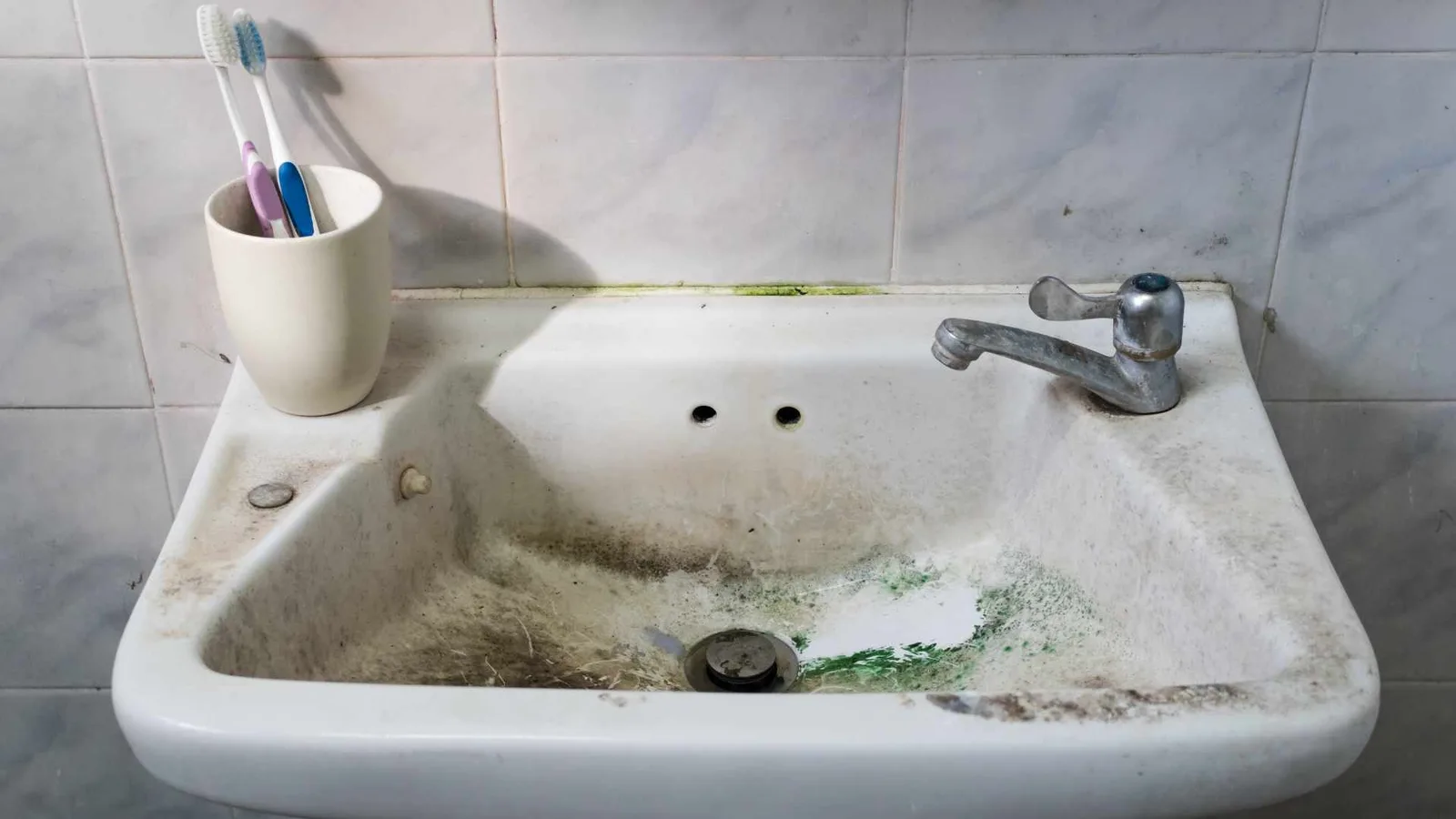

Notices of Violation: The First Step
Receiving a Notice of Violation
The code enforcement process often begins with the issuance of a notice of violation or violation notice by a code inspector or code enforcement officer. This written notice informs the responsible person or property owner of the alleged violation(s) and provides the contact information for follow-up.
Typical reasons for violation notices include:
– Overgrown/tall grass or high grass
– Accumulation of solid waste or junk
– Building without necessary permits
– Unsanitary or unsafe building conditions
– Operating a business entity in violation of local legislation
Reasons vary, and jurisdictions often have the lists on their website. Here is the link to the Santa Clara County page on common violations as an example.
All notices, including abatement notices, correction notices, and stop work orders, must comply with the local code of ordinances and often include references to the specific chapter or title of the violation.
Responding to a Notice
Upon receiving such notice, it is important for cited parties to:
– Read the written notice carefully
– Note the specified time (often in business days or calendar days) for corrective actions
– Verify the accuracy of any translated versions if not received in the English language version, as only the official version of the code holds legal weight
– Collect PDF documents or official documents that explain the code section, permit conditions, or alleged violation
If unclear, request clarification from code officers or contact the Department of Building or Code Enforcement Division for further guidance.

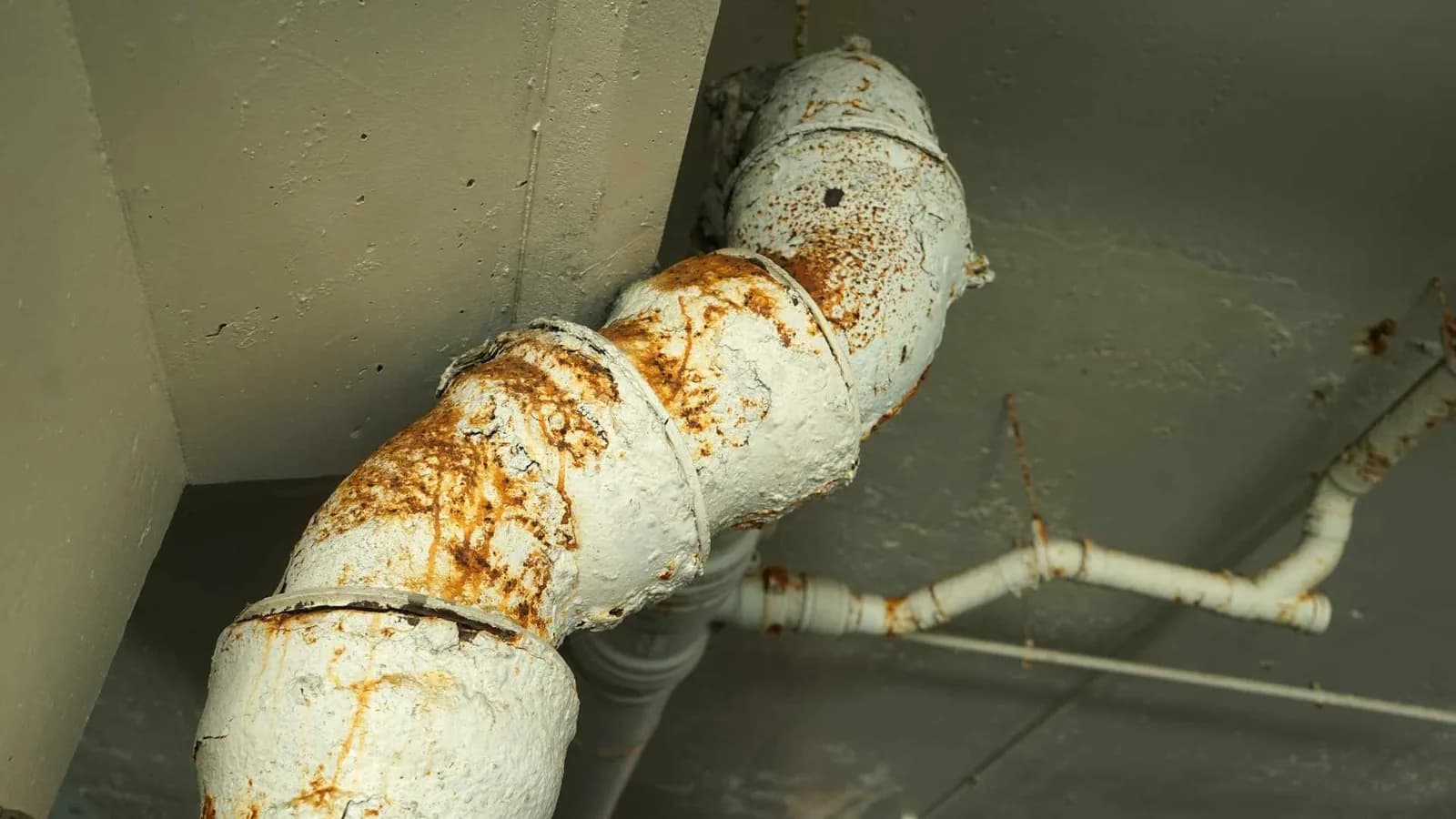
The Abatement Process: Steps, Permits, and Responsibilities
1. Initial Inspection and Determination
The assessment officer or code inspector conducts an inspection based on complaints, reports, or routine surveys. If the officer confirms the violation, a written decision outlines the necessary steps for abatement.
2. Written Notice and Reasonable Time Frame
The responsible party receives a written notice describing the following:
– The nature and location of the code violation
– The specific actions required (corrective actions) for abatement of public nuisances
– The reasonable time allotted for compliance (e.g., 7-30 calendar days)
– Reference to relevant local laws, including chapter and title
3. Voluntary Compliance
Whenever possible, code enforcement officers encourage voluntary compliance. The property owner or business entity can correct the violation within the specified time frame to avoid further penalties.
4. Permit to Abate Code Violation
Many corrective actions require proper building permits or environmental permits. For example:
– Minor repairs may need a permit from the department of building
– Abatement involving hazardous material or structural changes demands specific environmental permits
Failure to obtain the necessary permits may result in additional violation notices, civil citations, or legal action.
5. If Compliance Is Not Achieved
If corrective action does not occur within the specified time:
– The city manager or code enforcement department may proceed with additional enforcement actions.
– An order of abatement may be issued, possibly involving a private contractor or city personnel to correct the violation at the expense of the property owner.

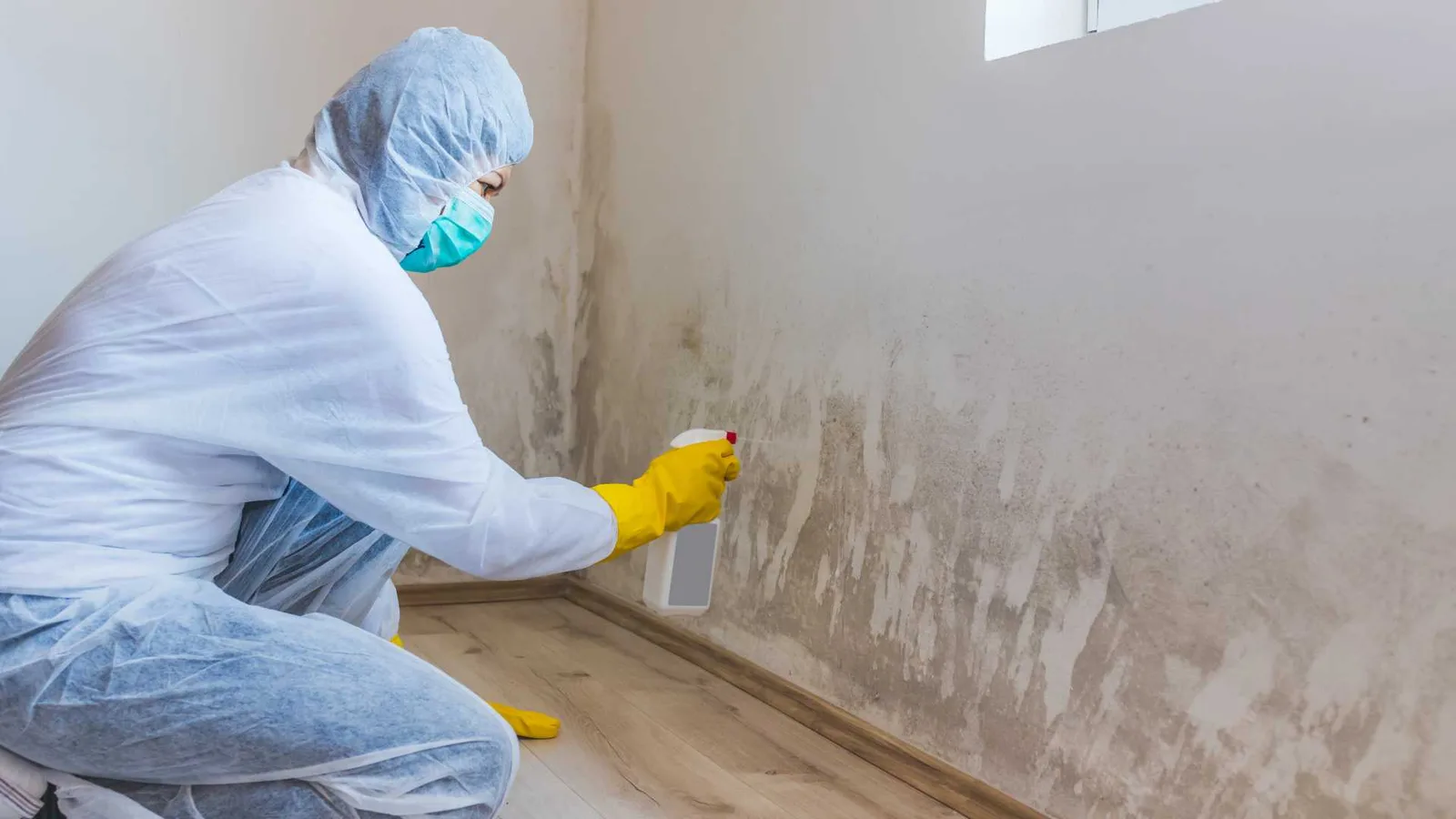
Legal and Administrative Actions
Civil Penalties and Civil Citations
Failure to abate a violation can result in civil penalties, which may be assessed daily or on a per-occurrence basis. Civil citations are typically processed administratively, with amounts and procedures specified in local development regulations and the code of ordinances.
Criminal Penalties and Charges
Criminal penalties or charges may be imposed for serious violations, willful non-compliance, or repeat offenses, particularly if the violation poses a severe threat to public health or involves hazardous materials.
Appeals and Administrative Law Judge Hearings
Cited parties have the right to challenge the violation notice or penalty by:
– Filing a written request for appeal with the city council or administrative law judge within set calendar days
– Presenting evidence regarding the alleged violation and corrective actions taken
A public hearing may be scheduled. The administrative law judge or hearing officer renders a written decision, which may be subject to further review in appropriate legal proceedings.
Injunctive Relief and Court Orders
For continuing or egregious violations, the city attorney or the attorney general may seek injunctive relief, resulting in court orders that mandate the correction or cessation of the violation. Non-compliance may result in civil action, additional civil penalties, or assessment of court costs.
Special Assessments and Lien
Suppose the city abates the nuisance (e.g., mowing high grass, removing solid waste, boarding up abandoned properties). In that case, the city will recover costs through special assessments levied against the property. These assessments become a lien on the property and may be collected in the same manner as taxes.
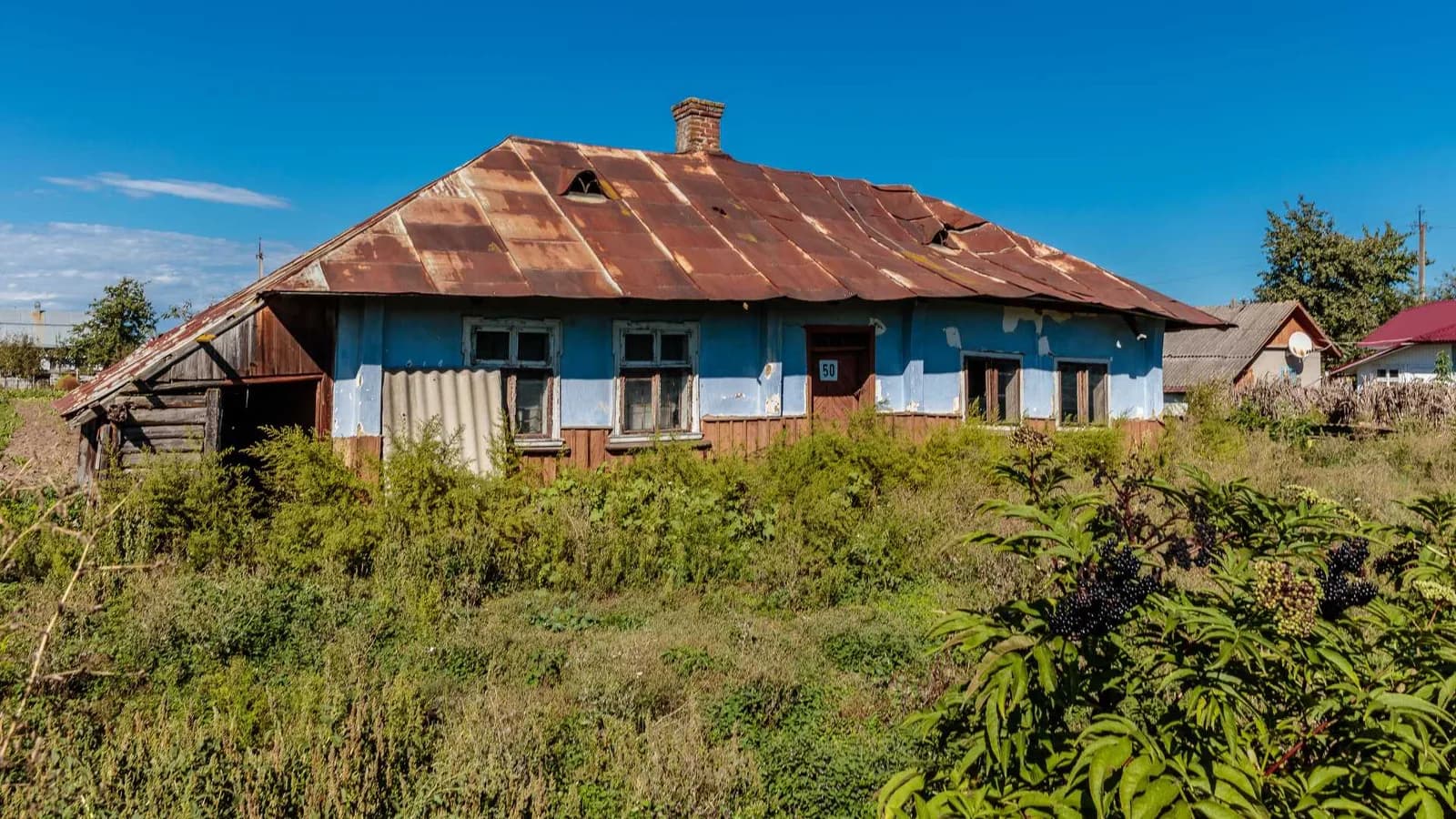
Common Abatement Problems and Solutions
Common Issues
– Poor communication or unclear contact information for responsible departments
– Delays in obtaining necessary permits
– Disputes regarding the reasonableness of the specified time for compliance
– Confusion over local legislation versus state law requirements
– Lack of awareness of the status of a complaint
Best Practices
– Always respond promptly to any written notice
– Document all communications and corrective actions taken
– Contact the code enforcement division or department of building with the provided contact information for guidance
– Obtain and review relevant PDF documents and the official version of the code for your city or county code
– If language is a barrier, ensure translation does not affect the accuracy of any translated versions of such laws
Key Personnel and Departments Involved
– Code Enforcement Officer/Inspector: Investigates, issues notices, and oversees corrective actions
– Division of Code Enforcement/Code Enforcement Department: Manages policy implementation, appeals, and public hearings
– City Manager/City Personnel: Administrative oversight, authorizes special assessments, executes abatements
– Assessment Officer: Evaluates violations and prepares reports
– Attorney General/City Attorney: Pursues civil action, court orders, or injunctive relief
– Building Permits and Department of Building: Ensures necessary permits are obtained
– Administrative Law Judge: Conducts appeal hearings and issues decisions

Role of Business Owners, Building Owners, and Business Entities
Business entities and building owners have additional obligations under local laws and safety codes. For example:
– Maintaining safe premises, properly managing solid waste, and ensuring building permits are current
– Responding to violation notices and ensuring voluntary compliance to avoid civil action or criminal penalties
– Addressing environmental laws and ensuring compliance with permit conditions
Frequent violations may result in the suspension or revocation of business licenses, as well as injunctive relief proceedings.

Frequently Asked Questions (FAQs)
1. How long do I have to correct a code violation?
The specified time varies by jurisdiction but is usually outlined in the violation notice as business days or calendar days. A reasonable amount of time is provided to allow for corrective actions.
2. What happens if I ignore a violation notice?
Failing to respond to a written notice may result in civil penalties, criminal charges, special assessments, or the city hiring a private contractor to perform the necessary abatement.
3. Do I need a permit for minor repairs?
Always check with your local Department of Building or Code Enforcement division. Some minor repairs require building permits or environmental permits, even if you believe the repair is minimal.
4. Can I appeal a violation?
Yes. File a written request for a public hearing or appeal before the administrative law judge or city council within the calendar year time frame specified in the code of ordinances.
5. How does the city recover costs if it abates a nuisance?
Special assessments are levied against the property, and liens may be placed against it. Costs include labor, court costs, and private contractor fees.
How to Ensure Compliance: Step-by-Step
- Review Written Notice: Ensure that all alleged violations and corrective actions are clearly stated.
- Contact Code Enforcement: Use the provided contact information to clarify questions.
- Acquire Proper Permits: Consult the department of building for building permits or environmental permits.
- Address the Violation: Complete corrective actions within the specified time frame.
- Document Actions Taken: Take photos and keep records to demonstrate voluntary compliance.
- Respond to Further Notices: If issued a correction notice or abatement notice, cooperate fully.
- Appeal, If Needed: File a written request for a hearing promptly if you believe the notice was issued in error.